
Professional Packing Services: Costs, Options and What to Expect

Last Updated: November 21, 2026
Quick Summary
Professional packing services are hands-on help where a trained crew wraps, boxes, labels and sometimes unpacks your belongings during a move. You can choose full-service packing for the whole home, partial packing for chosen rooms, or labor-only help if you already have supplies.
Full-service packing covers every room, while partial packing covers only the items you choose.
Ask for an itemized estimate separating labor, materials, specialty charges and coverage.
Partial packing is not always cheaper, so ask for the hourly rate and estimated hours.
Baseline moving liability is often far below an item's worth, so compare valuation options.
Photograph valuable items and keep a written inventory before packers arrive.
Ready to plan your packing?
Sergeant's Tactical Moving Company offers veteran-led, disciplined packing and moving for New Jersey homes and offices.
Table of Contents
What Professional Packing Services Include
Professional packing services are the hands-on part of a move where a trained crew wraps, boxes, labels and sometimes unpacks your belongings. Knowing which level of help you need is the first step toward a fair quote.

Full-Service Packing Versus Partial Packing
Full-service packing means the crew handles every room, every drawer and every shelf. Partial packing covers only the items you choose, such as the kitchen, fragile décor or a home office. Full-service packing covers the whole home, while partial packing covers only the items you choose.
A common mistake is assuming partial packing is always cheaper. Crews still need setup time and to pack what you hand over, so a small partial job can cost nearly as much per hour as a bigger one.
Packing Materials and Specialty Items
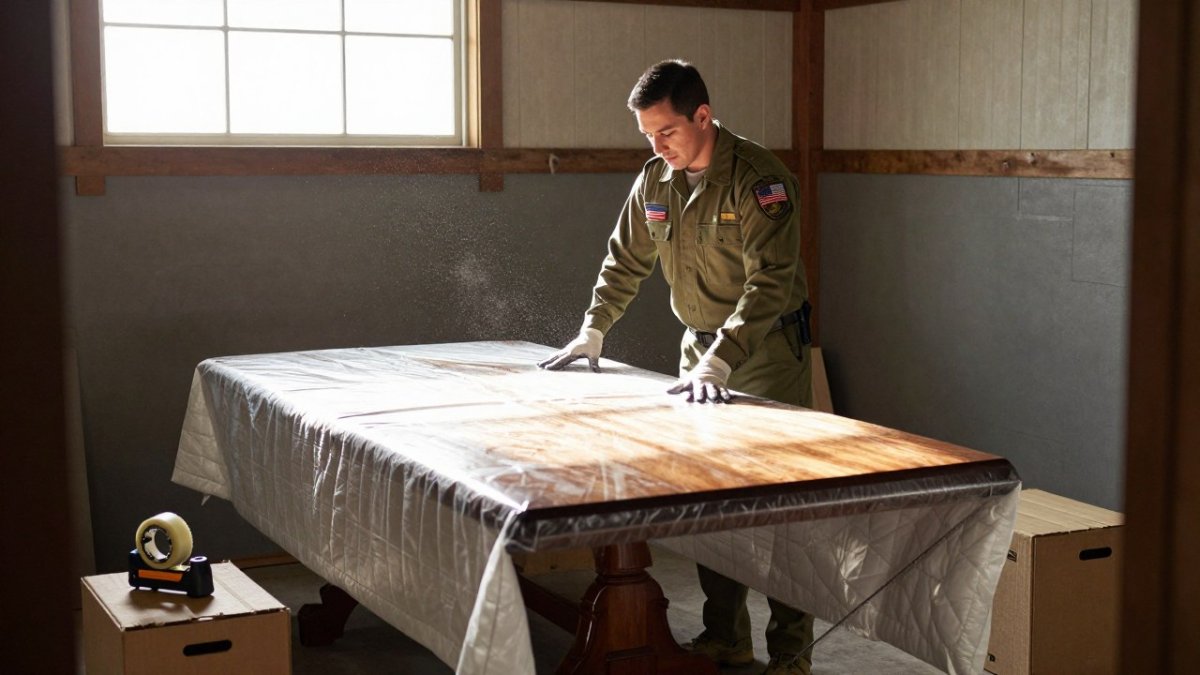
Quality materials make the difference between a safe move and a broken lamp. Ask each provider which packing materials and specialty crating it supplies.
Ask whether materials are included or billed separately, and whether the crew removes them afterward. Specialty items often carry their own fees, so confirm those up front.
Full-Service Packing and Moving Cost: What Affects the Price
Full-service packing and moving costs depend on how much you own, how far you are moving, and when. Pricing depends on quantity, dates and delivery, and each provider sets its own basis.
Several factors push the total up:
Home size and number of rooms: Larger homes generally involve more packing time.
Distance: Local and long-distance moves may be priced differently.
Access: Access conditions can affect labor.
Move date: Scheduling can affect pricing.
Specialty items: Specialty items can require additional handling.
Understanding how a packing estimate is built, line by line, lets you compare bids on equal terms.
How a Packing Estimate Is Built
A written packing estimate typically separates labor from materials and from any specialty charges. Ask for each of these as its own line:
Labor: the crew size and hours assumed for the job.
Materials: the packing supplies included and any charged separately.
Specialty charges: any fees for specialty items, if applicable.
Access and logistics fees: any additional charges for access conditions.
Valuation or coverage: the liability protection included and the cost to upgrade it.
The lowest bid often omits materials or assumes an unrealistically short crew day, then adds those back once the job starts. Comparing line items rather than totals is the only reliable way to catch that.
Service Levels and What They Change About Price
The level of help you choose changes the estimate more than almost any other decision:
Full-service packing: the crew packs every room, drawer and shelf.
Partial packing: you choose the rooms or categories the crew handles.
Packing-only or labor-only: you supply boxes and supplies and hire hands for packing, loading or unloading.
Packing and unpacking: adding unpacking adds labor to the job.
A Practical Way to Budget Before You Call
You do not need a precise number to plan. Build a rough range from three inputs: number of rooms, expected crew size, and hours a crew typically needs per room for your density of belongings.
Pricing depends on quantity, dates and delivery, so no single number applies to every household. Request an on-site or video survey for a written estimate, and insist it itemize labor, materials, specialty charges and coverage separately.
The article lists several factors that push a packing and moving total up, which are summarized below.
Factor | Effect on price | Note |
Home size and number of rooms | Larger homes generally involve more packing time | Time drives labor cost |
Distance | Local and long-distance moves may be priced differently | Ask how each is billed |
Access | Access conditions can affect labor | Ask about access fees |
Move date | Scheduling can affect pricing | Confirm dates early |
Specialty items | Can require additional handling | Confirm fees before booking |
Packing Only Services: When Labor-Only Makes Sense
Packing-only and labor-only services fit a specific situation. If you already have boxes and supplies and are comfortable with the rest of the move, hire a crew just to pack or just to load and unload.
Labor-only makes sense when you have a truck or moving container arranged elsewhere, or want help with the hard physical parts. It is less useful if you are short on time, because a packing-only crew still needs you to label boxes and decide what goes where.
Packing Help for Seniors and People With Limited Mobility
Packing a home is physically demanding. Bending, lifting and climbing can be unsafe for older adults or people with mobility limits. Many households in this situation choose full-service packing so that a crew handles the lifting, wrapping and carrying while the homeowner directs the work from a chair.
Before you book, tell the company about mobility needs, medications or fragile belongings with sentimental value. Ask whether the crew can pack in a set order so daily-use items stay accessible until the last day.
How to Vet and Compare Packing Providers
Comparing packing providers takes more than comparing prices. Confirm the company is properly licensed and insured. Interstate household goods carriers must hold federal operating authority, verifiable through the Federal Motor Carrier Safety Administration's public database. For moves within a single state, check the state's own licensing requirements, since those vary.
Use this checklist when comparing quotes:
Written, itemized estimate with no vague "miscellaneous" line
Clear statement of what is included and what is billed separately
Proof of insurance and an explanation of valuation options
Named crew and a plan for handling your belongings
Written terms for changes to the date or scope
The Evaluation Criteria That Actually Separate Providers
Price is one input, not the decision. Score each provider on the same five criteria so the comparison is apples to apples:
Licensing and insurance. Confirm active operating authority for interstate work and ask for a certificate of insurance.
Crew training and employment status. Ask whether packers are employees or subcontractors, and whether they receive formal packing training.
Estimate method. An on-site or video survey produces a more defensible estimate than a phone-only quote. Ask what assumptions the estimator made about hours, crew size and materials.
Reviews and complaint history. Read recent reviews for patterns rather than single incidents, and check the FMCSA database and your state regulator.
Service terms. Get cancellation, rescheduling, and scope-change terms in writing before you sign.
Insurance, Liability and Valuation, Explained Plainly
This is where most households get surprised. Moving companies are not automatically liable for the full replacement value of your belongings. Baseline coverage is usually a released-value or minimum-liability option paying a set amount per pound per article, often far below an item's worth. Full-value protection is typically a paid upgrade, and it may still exclude items you packed yourself or high-value items you did not declare.
Ask these questions before you book:
What level of liability protection is included at no extra cost, and what does an upgrade cost?
Is coverage based on depreciated value or replacement value?
Which items are excluded unless declared in advance?
How and within what time frame are damage claims filed, and what documentation is required?
Read the valuation statement carefully and keep a written copy of your inventory. Photograph high-value items before packing so a claim has a clear baseline.
How to Run a Side-by-Side Comparison
Put every quote into the same format before deciding. Create a table with columns for labor hours, crew size, materials included, specialty charges, coverage level, and total. Normalize: if one quote includes materials and another does not, add an estimated materials cost to the second. A quote far below the others often leaves out materials, insurance or extra labor, and the normalized table exposes that quickly.
Get scope, coverage and change terms in writing before booking.
Packing-Day Timeline and Insurance Questions to Ask
Packing day timing depends on the size of the home and access conditions. Confirm the schedule and packing sequence with your provider.
Ask these questions before the move:
What level of insurance is included, and what does it cost to upgrade?
How are damage claims reported, and within what time frame?
Who is responsible if an item is packed by you rather than the crew?
Are high-value items excluded from coverage unless declared in advance?
Moving packing checklist: Preparing Before Your Packers Arrive
Preparation makes packing day faster and cheaper. Clear clutter you no longer want, since you pay to move everything you pack. Keep important documents, medications and valuables with you. Set aside a clear path through each room and remove loose rugs or small furniture that could be tripped over.
Photograph valuable items before packing and note furniture condition. Label a box for essentials you will need the first night. Empty drawers and shelves of breakable contents, and defrost the refrigerator at least a day ahead.
Requesting a Quote for Your New Jersey Move
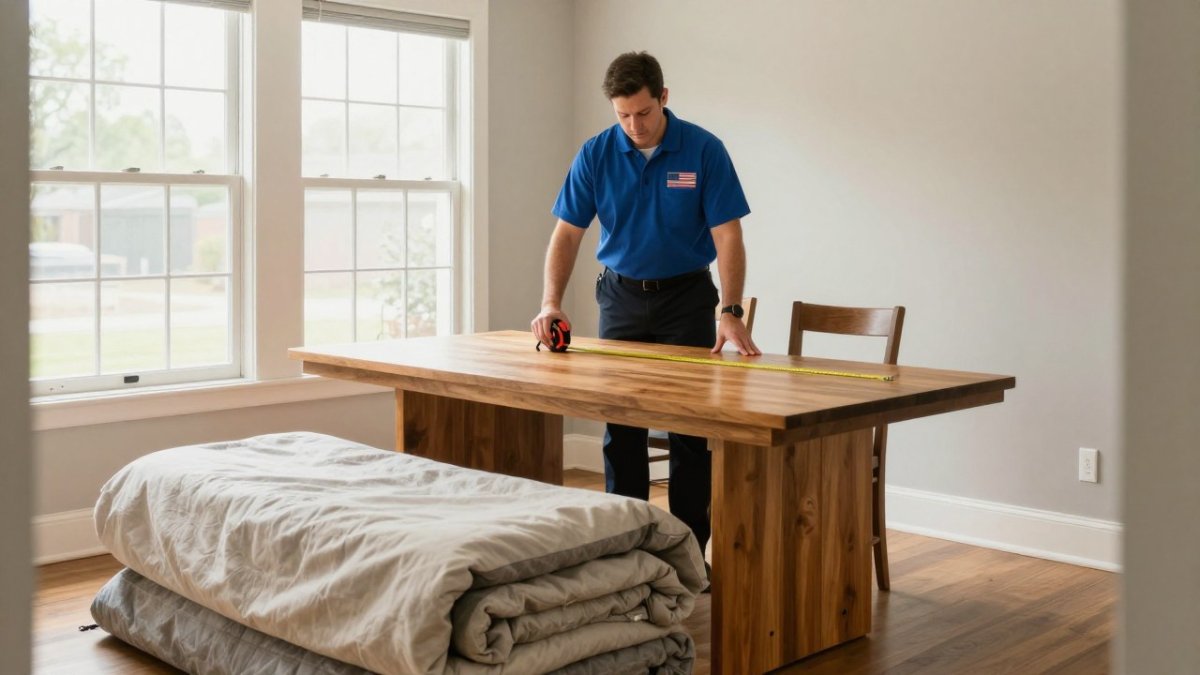
An on-site or video survey is a common way to prepare a written estimate. For a written estimate tailored to your move, contact Sergeant's Tactical Moving Company in Marlton, NJ with questions about your move, service areas, or scheduling a survey.
When you are ready, request a moving quote in Marlton, NJ and include your pickup location, destination and move date. Learn more about the moving services in Marlton, NJ before deciding which level of help fits your budget.
Our team at Sergeant's Tactical Moving Company focuses on clear communication and careful handling. Because chaos isn't an option, we prioritize accountability and attention to detail.
Frequently Asked Questions
What do professional packing services include?
Professional packing services typically cover wrapping and boxing household items, labeling boxes by room, and supplying materials such as boxes, packing paper and bubble wrap. Full-service packing covers nearly every item in the home, while partial packing covers only selected rooms or fragile belongings. Ask each provider to list in writing what is included, including whether unpacking, furniture disassembly and specialty items such as artwork or electronics are part of the package. Clear written scope prevents surprises on moving day.
How much do professional packing services cost?
Pricing depends on the volume of belongings, the size of the home, the service level chosen and the moving date. Full-service packing costs more than packing only selected rooms or specialty items. Because every move differs, the most reliable way to get a number is to request a written, itemized quote based on an inventory of your belongings. Be cautious of estimates that are far below others, since they often lead to added charges later. Sergeant's Tactical Moving Company can provide current pricing through a quote request on its website.
Can I hire packers without hiring movers?
Yes, many providers offer labor-only packing, where a crew packs your belongings while you or another company handles transport. This option suits people who have a moving truck or who use a separate carrier and want to save time on the packing process. Confirm that the packers will label boxes consistently and that they can unpack if needed. Coordinate delivery times so the packed boxes are ready when the transport team arrives.
Do professional packers help seniors or people with limited mobility?
Packing help for seniors is one of the most practical uses of a professional service. Crews can handle heavy lifting, climbing and the physical strain of packing a lifetime of belongings, while the homeowner stays in control of what is kept, donated or discarded. Families often arrange packing in stages, starting with rooms that are used least. Discuss sensitive items, medications and important documents with the crew in advance so those belongings are handled and transported separately.

Comments