
Are Moving Company Subcontracting Risks Worth It?

Last Updated: November 7, 2026
Quick Summary
Moving company subcontracting means the company you hire hands your move to a different crew, often a third party you never spoke with. Liability follows the bill of lading, so the carrier named there stays responsible for loss or damage even when a subcontractor caused it.
Ask in writing whether the company's own employees or subcontractors will perform your move.
Verify the company's USDOT and MC numbers through the FMCSA's database before signing.
File damage claims with the carrier named on the bill of lading, not the subcontractor.
Do not let loading begin if no bill of lading is presented on moving day.
A quote far below every other bid can signal undisclosed subcontracting.
Who will actually move your belongings?
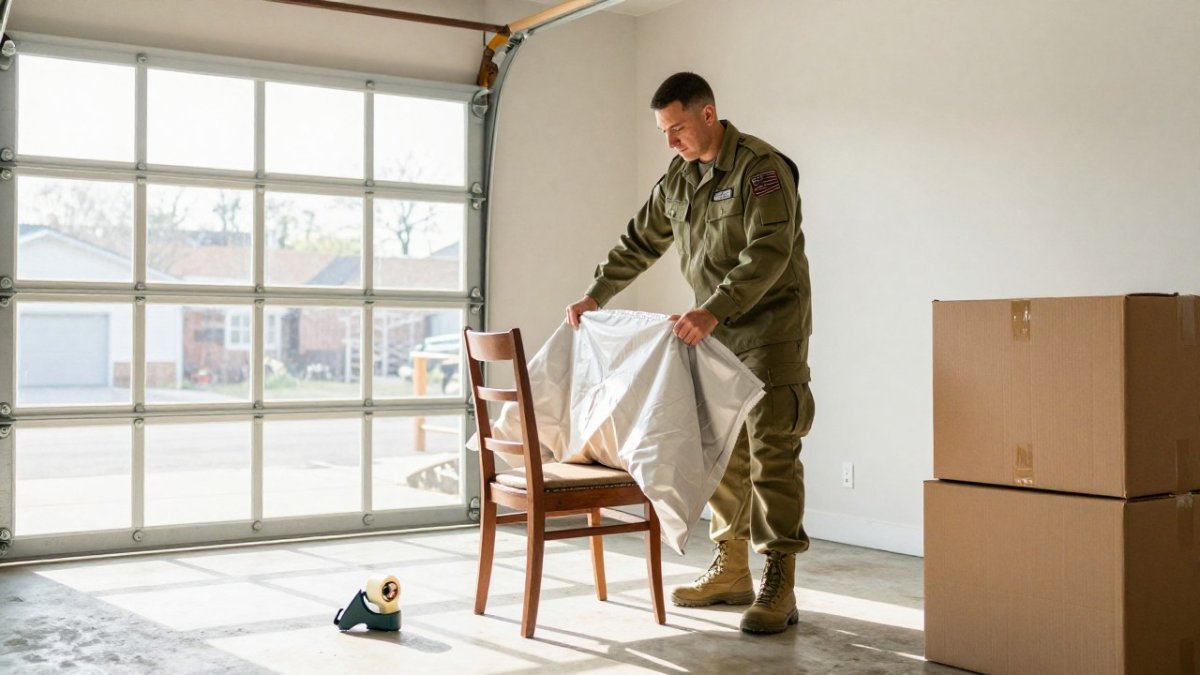
Sergeant's Tactical Moving Company moves homes with in-house crews and clear written estimates.
Table of Contents
What Moving Company Subcontracting Means on Paper and on Moving Day
Moving Broker vs Moving Company: Who Is Actually Liable for Your Belongings
Why Moving Companies Subcontract Work, and Where the Risk Lands on You
Moving Company Liability for Damage When a Subcontractor Does the Work
Moving Company Red Flags That Point to Undisclosed Subcontracting
Questions to Ask a Moving Company Before Hiring, and What to Do on Moving Day
What Moving Company Subcontracting Means on Paper and on Moving Day
Moving company subcontracting is when the company you hire hands your move to a different crew, often a third party you never spoke with. Your contract stays with the original company. The people carrying your furniture may be strangers to that company too.
Here's what that looks like in practice. You book with one business. On moving day, an unmarked truck pulls up. The crew wears no uniforms and hands you no paperwork. That is a subcontractor at work.
That distinction matters more than most homeowners realize.
Moving Broker vs Moving Company: Who Is Actually Liable for Your Belongings
The short answer: liability depends on who signed your bill of lading. That document names the party legally responsible for your goods.
A moving broker arranges transport but does not haul your goods. A moving company is the motor carrier that actually performs the move. An agent is a local business that works under a larger carrier's operating authority. A freelance crew is labor hired day by day, often with no licensing at all.
Role | Moves Your Goods? | Holds Operating Authority? | Who You Claim Against |
Moving broker | No | No | The carrier named on your contract |
Motor carrier | Yes | Yes | The carrier directly |
Agent | Yes, under a carrier | Under the carrier | The carrier |
Freelance crew | Yes | Usually no | Whoever hired them |
The trap: brokers must be registered with the Federal Motor Carrier Safety Administration, but that registration does not make them liable for damage. If your couch arrives cracked, you file against the carrier, not the broker.
Why Moving Companies Subcontract Work, and Where the Risk Lands on You
Subcontracting exists for practical reasons. Demand spikes in summer. A company may lack trucks in a distant city. Labor is cheaper when hired locally.
None of that is automatically bad. The problem is where the risk lands.
Insurance gaps: a subcontractor may carry less coverage than the company you hired.
No quality control: the original company never trained or supervised that crew.
Blurred responsibility: each party points at the other when something breaks.
Theft risk: unvetted crews mean unverified backgrounds.
A common mistake is assuming the brand on the truck equals the crew in your driveway. Often it does not.
The difference between a carrier, a broker, an agent, and a freelance crew
A carrier owns the authority and the liability. A broker sells the job. An agent represents a carrier locally. A freelance crew supplies muscle with minimal oversight. Only the carrier answers for loss or damage, which is why knowing who holds the authority is the whole game.
How to Find Out Who Will Physically Handle Your Move
Ask directly, in writing, before you sign anything. Legitimate companies answer without hesitation.

Use this checklist:
Ask: "Will your own employees perform this move, or will you subcontract any part of it?"
Request the company's USDOT and MC numbers in writing.
Verify those numbers through the FMCSA's database.
Confirm whether the crew is W-2 employees or day labor.
Ask for the name of the carrier that will appear on the bill of lading.
Get the answer by email so you have a record.
If a company dodges the question, that is your answer. For a deeper look at the in-house alternative, see why in-house moving crews matter for your move.
Moving Company Liability for Damage When a Subcontractor Does the Work
Liability follows the contract, not the crew. The carrier named on your bill of lading remains responsible for loss or damage even when a subcontractor caused it. This concept is called contingent liability.
But responsibility on paper and recovery in practice are different things. Neither basic valuation coverage nor full-value protection is the same as your homeowner's or renter's insurance, which may or may not cover items in transit depending on your policy.
Step-by-step claims process when a subcontractor damages your belongings:
Document the damage before the crew leaves. Photograph each damaged item, the truck, and the surrounding area. Get the crew's names and the carrier's name as shown on the bill of lading.
Note the damage on the delivery receipt. Write a specific description on the receipt before you sign, and keep a copy. A clean signature can be treated as acceptance of good condition.
File a written claim with the carrier, not the subcontractor. Send it to the carrier named on the bill of lading, by a method that creates a delivery record. Keep copies of photos, the inventory, the bill of lading, and all correspondence.
Check the claim deadline in your paperwork. Federal rules for interstate moves set a baseline for when carriers must acknowledge and respond to claims, but the specific deadlines that apply to you are stated in your contract and the carrier's tariff. Read them before you file.
Escalate if the claim stalls. If the carrier does not respond within the stated period, send a written follow-up citing the deadline. If the dispute remains unresolved, you can contact the FMCSA for interstate moves or your state's consumer protection or moving regulator for intrastate moves.
Watch out: filing with the subcontractor instead of the carrier can let the carrier argue you never gave it notice. The carrier is the party on your bill of lading, so that is where the claim belongs.
Our guide to how the moving insurance claims process works walks through each step in more detail.
Moving Company Red Flags That Point to Undisclosed Subcontracting
Certain signals suggest a company plans to hand off your move without telling you. Watch for these:
A quote far below every other bid.
No physical address, only a call center.
Pressure to pay a large deposit upfront.
Reluctance to put crew details in writing.
A rental truck instead of a company fleet.
No USDOT number on the website or estimate.
Bait-and-switch tactics often ride alongside hidden subcontracting. Our breakdown of how to avoid moving company bait and switch covers the patterns to recognize.
Questions to Ask a Moving Company Before Hiring, and What to Do on Moving Day
Start with the questions. Then know your moving-day decision tree, because the moment a crew arrives is the moment your leverage is highest and your time to think is shortest.
Questions to ask a moving company before hiring:
Are your crews employees or subcontractors?
Can you provide your USDOT and MC numbers?
Who is the carrier on my bill of lading?
What valuation coverage is included, and what does an upgrade cost?
What is your claims process and typical resolution time?
On moving day, work through this decision tree in order:
Match the truck and crew to your paperwork. Compare the company name on the truck, the crew's uniforms or badges, and the names on your estimate and bill of lading. If the truck is unmarked or the company name differs, pause before any item leaves your home.
Ask for the bill of lading before loading starts. The bill of lading is the contract of carriage and names the carrier legally responsible for your goods. If no bill of lading is presented, do not let loading begin. A crew that cannot produce one is a crew you cannot hold accountable.
Verify the carrier's authority on the spot. Ask for the USDOT number and check it through the FMCSA's database on your phone. Confirm the name matches the company you booked, not a different entity.
Confirm the inventory and condition report. Walk the crew through your signed inventory and photograph high-value items and the inside of the truck before loading. Note existing damage in writing so it is not blamed on the crew later.
Decide: proceed, pause, or decline. If the crew and paperwork match, proceed. If there is a mismatch but the company is reachable, pause loading and call the booking company to resolve it in writing. If no one can confirm the carrier or produce a bill of lading, decline service and document why.
Watch out: a crew that pressures you to load first and "sort out the paperwork later" is reversing the order that protects you.
For a full screening list, use our 12 questions to ask before hiring movers.
Request a Quote and Confirm Your Crew in Writing
The simplest protection against subcontracting surprises is a written crew commitment. Ask for it, and keep it.
At Sergeant's Tactical Moving Company, we are veteran-owned and licensed for interstate household-goods transport. We prioritize clear communication and attention to detail.
Ready to move without the chaos? Request a quote and confirm your crew in writing before moving day.
Subcontracting is not automatically a dealbreaker, but undisclosed subcontracting is. The fix is simple: ask who will carry your boxes, verify the authority, and get it in writing. Sergeant's Tactical Moving Company handles residential and commercial moves with in-house crews, disciplined planning, and clear communication, backed by our NJ Public Mover License and interstate authority. Get started with Sergeant's Tactical Moving Company and know exactly who is moving your home.
Frequently Asked Questions
What are the risks of using subcontractors for a move?
The main risks are gaps in accountability. The company you booked may not be the one loading your household goods, so quality control, crew credentials, and background checks fall to a third party you never vetted. If something is damaged or missing, the broker or carrier and the subcontractor can point at each other while you file the claim. Undisclosed subcontracting also raises theft and unprofessional service risk, because the crew on site may not follow the service standards you were promised.
How can I tell if a moving company uses subcontractors?
Ask directly, in writing, whether the crew loading and driving your shipment will be employees of the company you are signing with. Check the moving contract and bill of lading for the motor carrier's legal name, USDOT number, and operating authority, then confirm that name matches the company that quoted you. A written estimate that lists one company while the bill of lading names another is a clear sign that subcontracted work is involved.
Who is responsible if subcontracted movers damage my belongings?
The motor carrier that issued your bill of lading is generally the party you file a claim against, even if a subcontractor physically handled the move. That is why the name on the bill of lading matters more than the name on the sales call. Keep your inventory, photos of the damage, and the written estimate. Review the valuation coverage you selected, since released-value coverage pays far less than full-value protection.
What should I do if a different crew arrives on moving day?
Before anyone touches a box, ask for the crew leader's name and the company they work for, and compare it to your moving contract and bill of lading. If the names do not match and you were not told about a subcontractor, call the booking company and get written confirmation of who is responsible for loss or damage. Document the truck's USDOT number and take photos. If the paperwork cannot be produced, you can refuse the pickup and dispute any deposit.

Comments